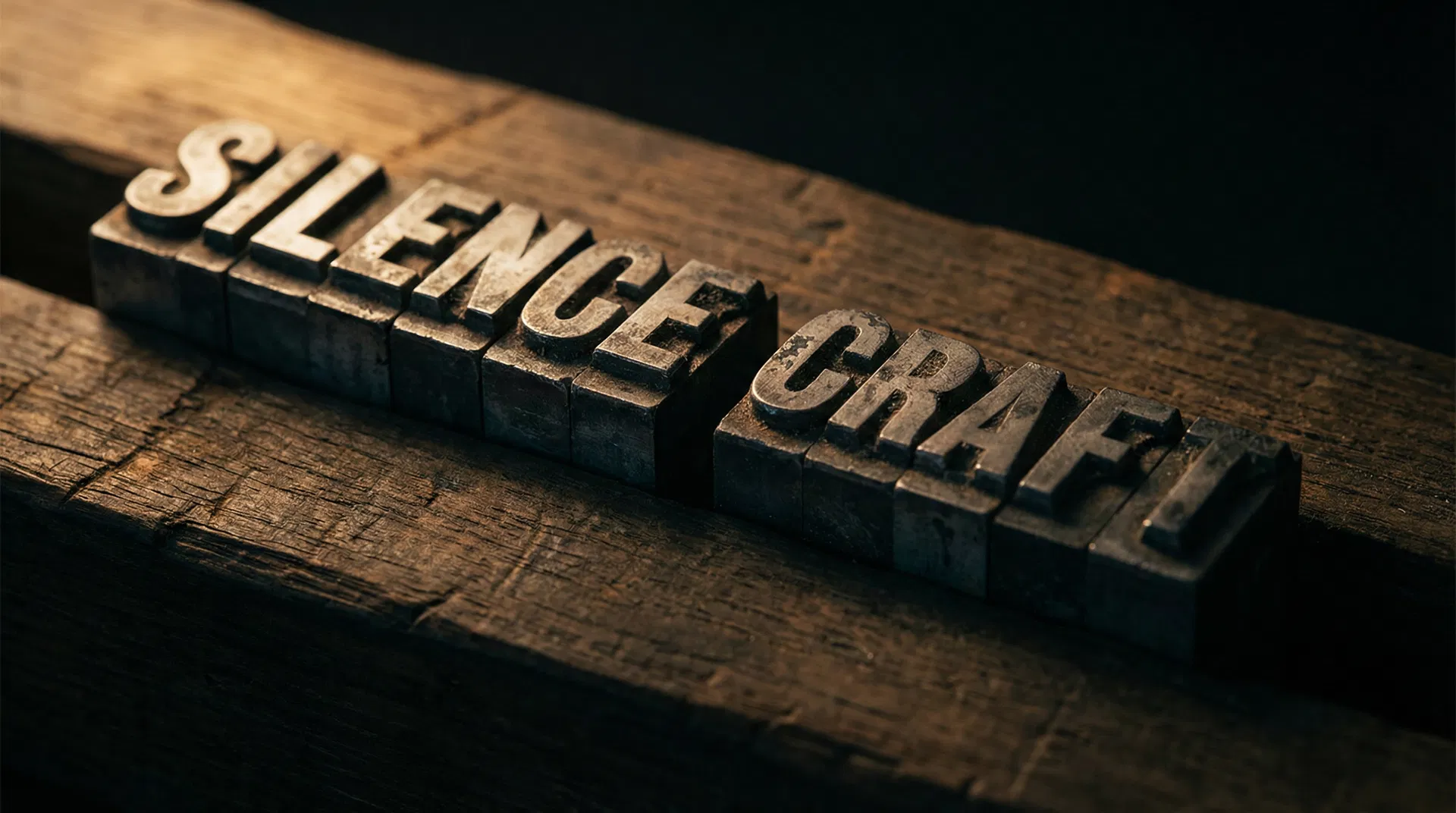
When the packaging is the product.
The packaging does not contain the experience. It is the experience.
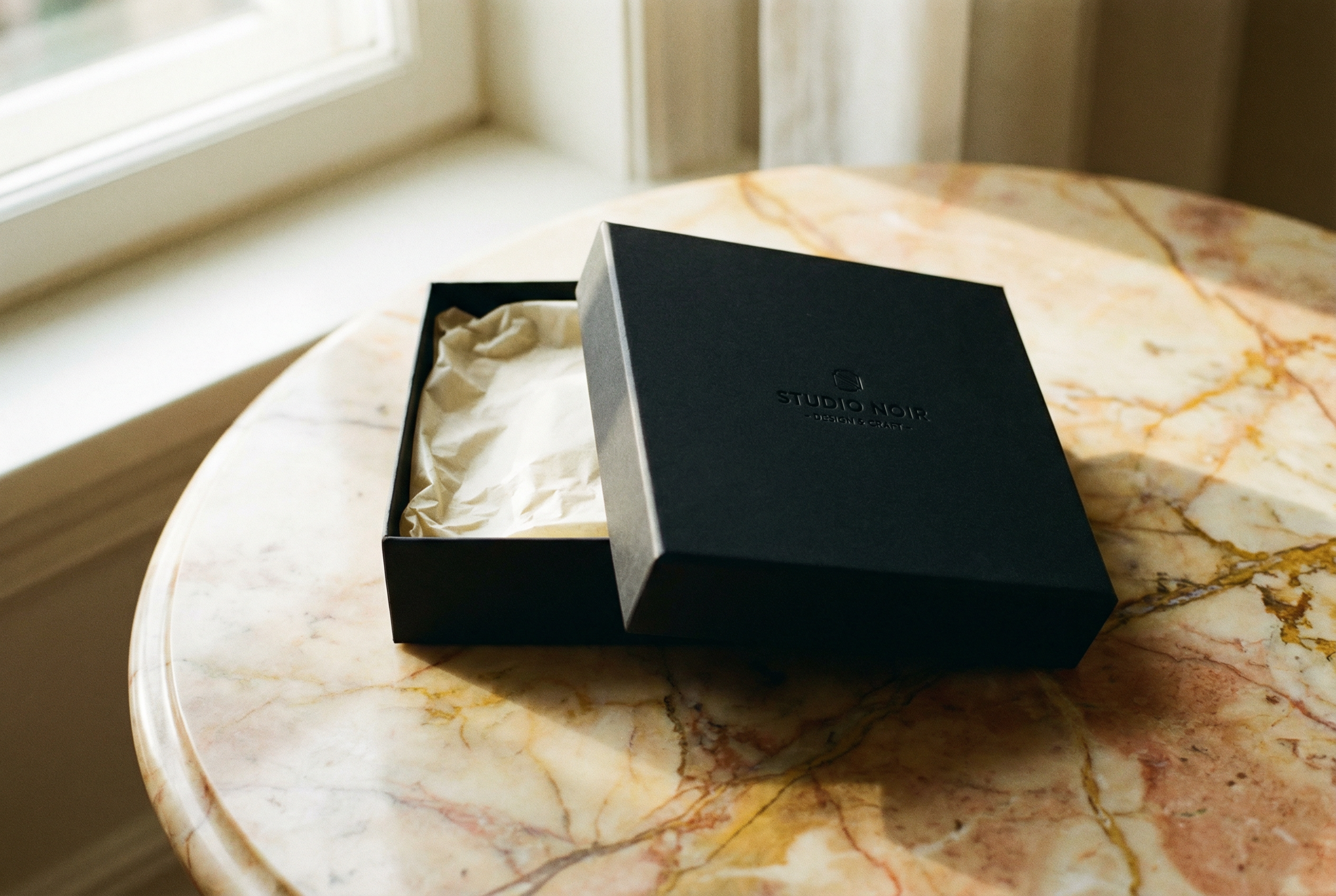
here is a moment in the purchase experience that most brands ignore: the moment the client opens the product for the first time. Not the moment of the purchase decision, not the moment of use, but that specific instant when the fingers find the packaging and the opening ritual begins. That moment is, in many cases, the most memorable experience in the entire relationship between the client and the brand.
Packaging is not a container. It is the first tactile experience the client has with the brand, and that tactile experience communicates more about the character of the brand than any visual element. The weight of a box, the resistance of the cardboard, the smoothness of the finish, the sound it makes when opening: all of that are messages about the value of what is inside, about the care with which it was made, about the kind of company that produces it.
Apple understood this before anyone else in the technology industry. The box of an iPhone is not just a protective container; it is a piece of theater. The opening process is designed to be slow, deliberate, almost ceremonial. The calculated resistance of the lid as it separates, the specific smell of the interior, the way each component is arranged in its exact place. All of that communicates that what is inside is extraordinary before the client has seen it.
We have worked with olive oil producers who had an exceptional product but packaging that betrayed it. The bottle was generic, the label was functional, the cap was the same as everyone else used. The oil was extraordinary; the packaging said it was ordinary. And on a supermarket shelf, where the client makes their decision in three seconds, the packaging is the product.
Well-designed packaging does not just protect and contain; it narrates. It tells the story of the product, of the place where it was made, of the people who made it. And when that narrative is authentic and well executed, it creates something no advertising campaign can create: the desire to keep the packaging, to not throw it away, to have it become part of the space where one lives.
Touch as language
Touch is the most intimate and most ignored sense in brand design. Sight and hearing dominate contemporary communication; touch is relegated to a footnote, to a finishing detail decided at the end of the process with whatever budget remains. And yet, touch is the sense that most directly connects with emotion, the one that most deeply engraves memory.
There are studies showing that the weight of an object affects the perception of its quality. A resume printed on heavier paper is perceived as more serious than one printed on light paper, even if the content is identical. A heavier wine bottle is perceived as higher quality than a lighter one, even if the wine is the same. Touch says things that sight cannot say.
The finish of a packaging is a complete tactile vocabulary. The UV varnish that makes certain areas shine and others remain matte. The embossing that makes the fingers find the logo before the eyes see it. The soft-touch that turns a box into something pleasurable to hold. The textured paper that evokes the artisanal, the natural, the handmade. Each of those finishes is a communication decision, not just an aesthetic decision.
We have worked with cosmetics brands that had extraordinary formulas but packaging that did not deserve them. The product was scientifically superior, but the feel of the packaging communicated the opposite: light plastic, caps that did not fit well, labels that peeled off. Every time the client used the product, the feel of the packaging eroded trust in the quality of what was inside. The packaging was not up to the product, and that disproportion had real consequences for customer loyalty.
The opening ritual
The opening ritual is one of the most powerful moments in the relationship between a client and a brand, and it is one of the most difficult to design well because it requires thinking in time, not just in space. Packaging is not an image; it is a sequence of experiences that unfold over time, and each moment of that sequence can be designed to produce a specific emotion.
The first impression is visual: the shape, the color, the typography. The second is tactile: the weight, the texture, the temperature of the material. The third is kinetic: the resistance when opening, the way the elements separate, the feeling that each part is in its exact place. The fourth, in some products, is olfactory: the specific smell of the interior, which can be as powerful as any image.
Designing that ritual requires thinking about each of those moments and the transitions between them. It requires prototyping, testing with real users, millimetric adjustments. It requires the same attention to detail that is given to the design of the product itself, because the opening ritual is part of the product.
Brands that have understood this have turned unboxing into an event. Not in the sense of unboxing videos on YouTube, although that is a consequence; but in the sense that opening the product is an experience the client remembers and wants to repeat. That repetition is loyalty. And that loyalty does not come from the product; it comes from the experience of receiving it.
The packaging that is not thrown away
The clearest indicator that a packaging is well designed is that the client does not want to throw it away. Not because it is useful in the functional sense, but because it has a presence, a quality, a beauty that makes throwing it away seem like a waste. That packaging has transcended its function as a container and has become an object in itself.
Tiffany boxes, Hermès paper bags, Mont Blanc cases: there is packaging that people keep for years, that they use to store other things, that becomes part of the decoration of their home. That packaging is not just a container; it is an object of desire. And that desire is the most powerful form of loyalty that exists, because it goes beyond satisfaction with the product and enters the territory of personal identity.
Designing packaging that is not thrown away requires an investment that many brands are not willing to make. It requires quality materials, careful finishes, an attention to detail that has a real cost. And that cost is difficult to justify when measured in terms of function, because the function of packaging is to protect and contain, and that can be done with cheap materials.
But when measured in terms of experience, the equation changes. Packaging that is not thrown away is permanent advertising: every time the client sees it at home, they remember the brand. It is a touchpoint that does not expire, that requires no additional investment, that works silently in favor of the brand for years. The cost of quality packaging, measured in terms of long-term impact, is one of the most profitable investments a brand can make.